

Contract manufacturing allows a pharmaceutical business to have products manufactured by another company rather than establishing and operating its own production facility. This model can be useful for businesses that want to concentrate on branding, distribution, market development, and portfolio expansion while working with an established manufacturing setup.
For pharmaceutical companies exploring contract manufacturing in Mohali, understanding how the arrangement works is important before discussing products, quantities, packaging, and production schedules.
What Does Contract Manufacturing Mean in Pharma?
In a pharmaceutical contract manufacturing arrangement, one business engages a manufacturer to produce specified pharmaceutical products according to agreed requirements.
The scope can vary considerably. Depending on the arrangement, manufacturing support may cover formulation-related production requirements, batch manufacturing, packaging, labelling, and associated documentation.
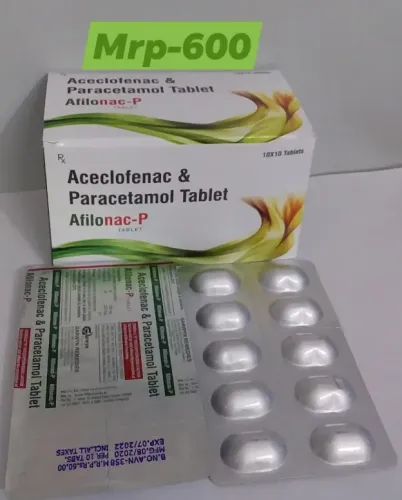
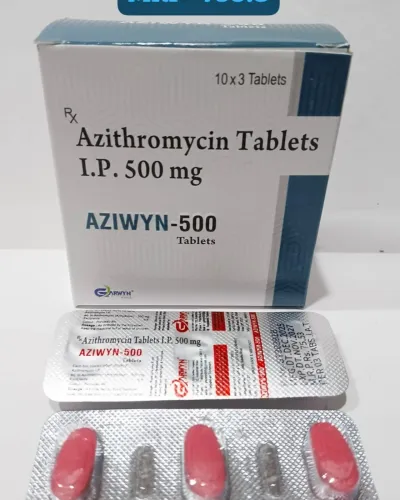
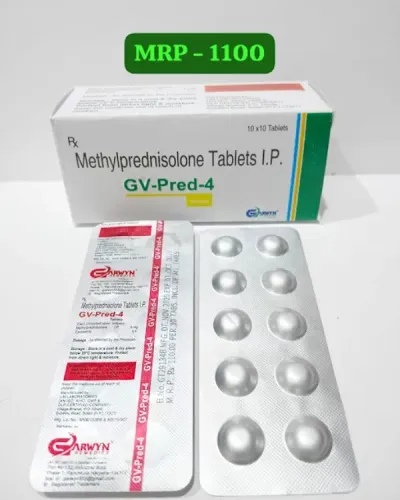
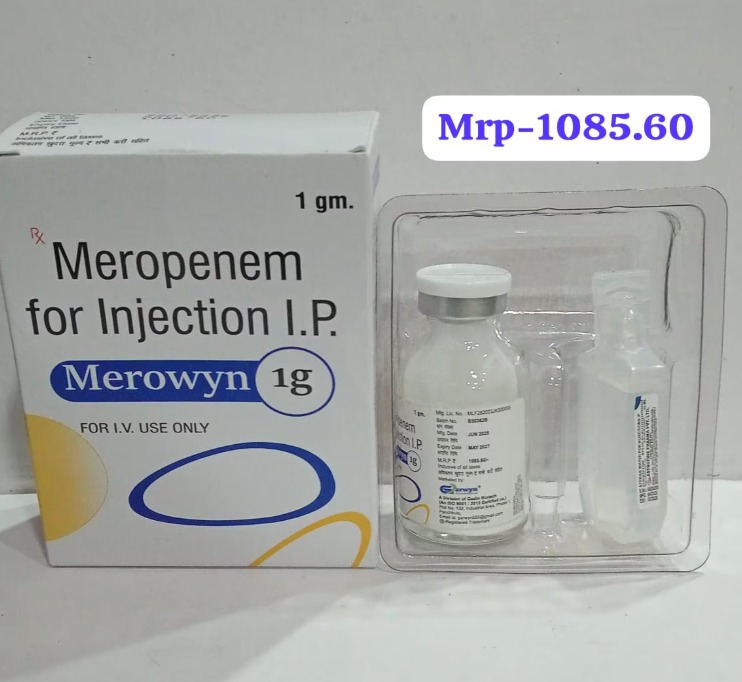
Garwyn Remedies works within this business-to-business manufacturing model, where clear product specifications and production planning are essential from the beginning.
Why Do Pharmaceutical Companies Use Contract Manufacturing?
Building a pharmaceutical manufacturing facility requires infrastructure, machinery, technical personnel, operational systems, and ongoing facility management.
Contract manufacturing provides another route.
A pharmaceutical business may consider it when it wants to:
- Introduce additional products
- Expand its existing portfolio
- Avoid establishing separate production infrastructure
- Manage changing production requirements
- Focus internal resources on marketing and distribution
- Access manufacturing capacity for selected formulations
The model is not limited to newly established businesses. Existing pharmaceutical companies may also outsource specific products or production requirements.
What Information Does a Manufacturer Need?
Clear initial requirements make manufacturing discussions more productive.
A business should generally be prepared to discuss the required dosage form, formulation specifications, approximate batch quantity, packaging preferences, branding requirements, and expected production schedule.
The manufacturer can then determine whether the requirement aligns with its available capabilities and production planning.
Incomplete specifications can create unnecessary revisions later, particularly when packaging or quantities change after planning has already begun.
Manufacturing Capacity Should Match Product Requirements
Not every manufacturer is suitable for every pharmaceutical requirement.
A company looking for contract manufacturing should assess whether the manufacturing setup supports the required dosage forms and product categories.
Production capacity is another consideration. A suitable manufacturer should be able to discuss realistic batch planning rather than simply accepting requirements without considering production schedules.
Packaging Needs Early Attention
Packaging influences more than appearance.
Container type, pack size, blister configuration, carton requirements, labelling, and secondary packaging can affect both production planning and commercial distribution.
Businesses operating in Mohali and the broader Chandigarh–Punjab pharmaceutical market should therefore define packaging requirements early enough to avoid unnecessary changes close to production.
Communication Supports Better Production Planning
Contract manufacturing is an ongoing business relationship rather than a one-time purchase of a finished product.
Changes in demand, portfolio additions, packaging revisions, and future batches may all require coordination between the pharmaceutical company and manufacturer.
Clear communication regarding specifications, timelines, quantities, and documentation can make these interactions more organised.
For pharmaceutical businesses, contract manufacturing can provide a practical route to product development and portfolio expansion without building an independent production operation. Understanding the manufacturing scope, capabilities, packaging requirements, and communication process makes it easier to evaluate whether the model suits a particular business plan.