

Pharmaceutical manufacturing involves far more than simply producing medicines in large quantities. It is a structured process that brings together formulation planning, raw material handling, controlled production, quality checks, packaging, documentation, and storage.
For businesses exploring pharmaceutical manufacturing in Panchkula, understanding these stages can make it easier to evaluate manufacturing capabilities and plan product requirements more effectively.
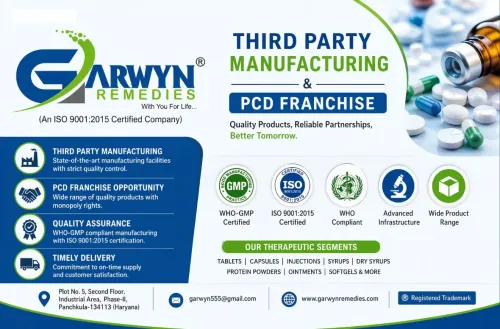
Garwyn Remedies operates within this pharmaceutical manufacturing ecosystem, where organised processes and product-specific production planning play an important role in serving pharmaceutical businesses.
Understanding the Pharmaceutical Manufacturing Process
Manufacturing begins with defining the product requirements. The dosage form, composition, batch quantity, packaging specifications, and intended market can all influence how production is planned.
A typical manufacturing workflow may involve:
- Raw material sourcing and verification
- Material dispensing and preparation
- Formulation and processing
- In-process quality checks
- Filling, compression, coating, or other dosage-specific processes
- Packaging and labelling
- Finished-product quality evaluation
- Batch documentation and storage
The exact sequence depends on the type of pharmaceutical product being manufactured.
Why Raw Material Control Matters
The quality and consistency of raw materials can directly affect the manufacturing process. Ingredients therefore need appropriate identification, handling, storage, and documentation before being introduced into production.
Manufacturers generally maintain defined procedures for receiving and managing materials so that batches can be handled consistently.
This becomes particularly important when businesses plan recurring production across multiple products.
Production Changes According to Dosage Form
Not every medicine follows the same manufacturing process.
Tablets, capsules, syrups, powders, ointments, and other formulations may require different machinery, processing conditions, packaging systems, and quality parameters.
Tablet production, for example, can involve blending, granulation, compression, coating, and blister or strip packing. Liquid formulations require different processes for mixing, filling, sealing, and container handling.
Understanding these differences helps pharmaceutical businesses discuss their requirements more accurately with a manufacturer.
Quality Checks Are Integrated Into Production
Quality assessment is not limited to the final stage. In-process checks can be used at different points to determine whether defined manufacturing parameters are being maintained.
Depending on the formulation, checks may relate to characteristics such as weight variation, appearance, filling quantity, packaging integrity, or other product-specific parameters.
Finished batches then proceed through the applicable quality evaluation and documentation process before release.
Why Documentation Is Important
Pharmaceutical manufacturing depends heavily on records.
Batch-related documentation helps record materials, production activities, checks, packaging information, and other relevant details associated with manufacturing.
For companies considering pharmaceutical production in Panchkula and the wider Haryana pharmaceutical market, documentation practices are therefore an important part of understanding a manufacturer's overall working system.
Packaging Is Part of Product Planning
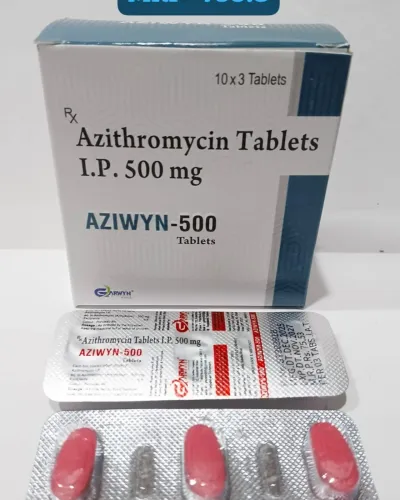
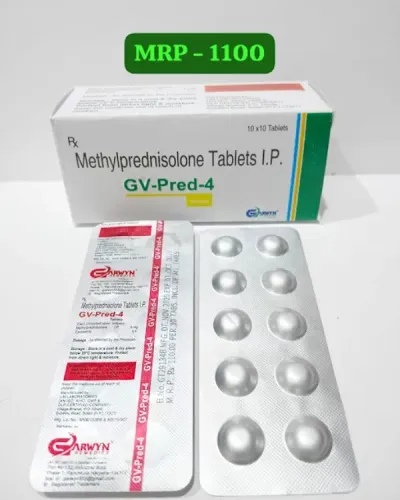
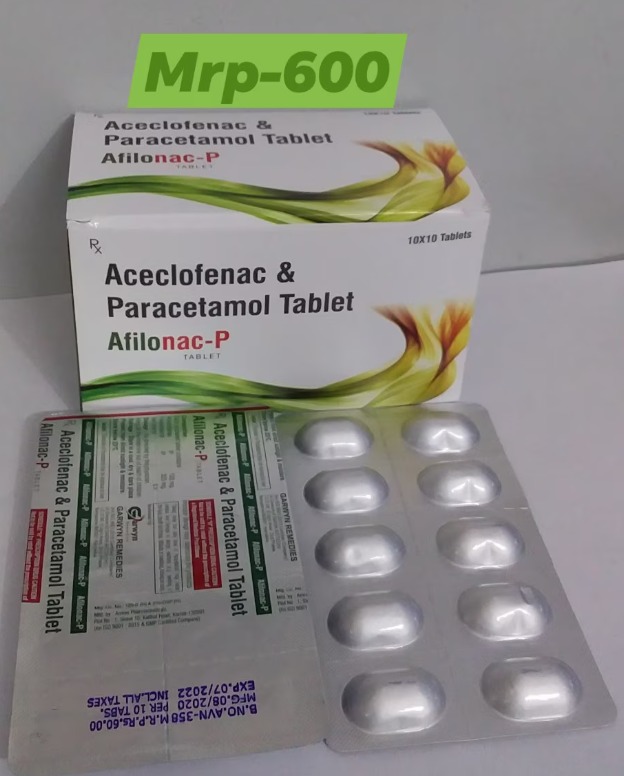
Packaging protects the product during storage, transportation, and distribution while also presenting essential product information.
Depending on the formulation, packaging may include:
- Blister packs
- Strip packs
- Bottles
- Cartons
- Labels
- Secondary packaging
Packaging requirements should ideally be discussed during initial production planning rather than treated as an afterthought.
Pharmaceutical manufacturing is ultimately a coordinated system involving production, quality processes, documentation, packaging, and supply planning. Understanding these fundamentals helps businesses communicate more effectively with manufacturers and make better-informed decisions when developing pharmaceutical products.